


Hualien | Driftwood Recycling & Upcycling
After the storm, who takes care of what remains?
After typhoons and heavy rains, large amounts of driftwood gather along the coasts and river mouths of Hualien.
Once part of nature’s cycle, these fallen trees—shaped by landslides and flowing waters—have become debris that must be cleared.
Left untreated, they can block waterways and impact safety.
Yet within them lies the memory of the forest and the imprint of the land.


A decision about what it means to stay
In the past, most local governments regarded driftwood as “post-disaster waste,” disposing of it through burning or landfilling. But we believe this approach misses an opportunity to engage in a meaningful dialogue with the land.
Driftwood is the result of natural movement and transformation—an inherently valuable resource rich in both cultural and material significance. Its unique forms, textures, fractured surfaces, and the marks shaped by water and wind are not only aesthetically compelling, but also carry the potential to tell stories of post-disaster recovery, environmental education, and local identity.

tnt Movement
The tnt team collaborates with forestry agencies in Hualien and local organizations to initiate a series of projects centered on “Driftwood Recovery × Ecological Design Development.” The implementation process includes:
On-site survey and material selection:
Identifying and collecting medium to large driftwood that has naturally dried and remains uncontaminated.
Pre-processing operations:
Including cutting, debarking, pest prevention treatment, and surface refinement.
Co-creation with bamboo fiber materials:
Integrating other natural materials such as bamboo powder and granules to develop composite applications.
Application and transformation:
Developing the materials into the following sustainable products and spatial applications:
-
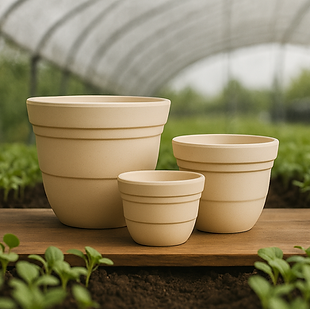
Display-oriented eco planters and seedling bases
-
Outdoor seating and structural installation components
This is not just design—it is a proposal for local sustainable governance.
This initiative goes beyond resource recycling; it represents a new pathway for managing local environments.
Through design and material technology, driftwood is reintegrated into a circular material system and connected with local revitalization frameworks.
It also opens up possibilities for co-creation with Indigenous communities, while establishing a traceable database for driftwood and expanding its use in educational exhibitions.