


Technical Applications
From agri-waste to biodegradable materials — a seamless green manufacturing solution.
Equipment-friendly|No retrofitting|Multi-use|Naturally degradable
From agricultural waste to
material regeneration
tnt is dedicated to developing technologies that transform agricultural waste into regenerated materials.
Through a systematic plant-fiber processing method,
we convert natural discarded resources into truly sustainable materials ready for manufacturing applications.
Bamboo residues
Coconut shell residues
Rice straw residues
Coffee residues
Driftwood residues
Pineapple residues
Plant Fiber Pelletizing


1. Agricultural Waste Collection & Sorting

2. Crushing & Milling
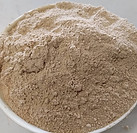
3. Fine Powder Processing

4. Fiber & Plant Starch Blending and Extrusion

5. Pelletizing
Regenerated Pellet Production: Core Process Technology
-
Agricultural by-products such as pineapple leaves, green bamboo branches, and coffee grounds are pretreated, sorted, air-dried, and finely milled into processable plant fiber powder.
-
Derived from nature, the materials produce fully plastic-free, PLA-free, and melamine-free products.
-
The pellets are compatible with conventional plastic processing equipment, enabling direct use in existing manufacturing lines and lowering the barrier to adoption.
Plant Fiber Raw Material Pellets
Overview of Universal Process Technology
The plant fiber pellets developed by our company, combined with natural starch-based materials, offer high compatibility and processing stability. They can be used with existing plastic processing equipment without major modifications, significantly lowering the barrier for corporate adoption.
These pellets are suitable for injection molding, extrusion, blow film, 3D printing, and other processes, providing excellent moldability and dimensional stability while retaining the natural fiber texture and eco-friendly properties.


From the field into daily life, from products back to the land.
Giving every piece of agricultural waste a chance for a new beginning.
From Agricultural Waste to Regeneration —
A Complete Circular Process
1. Agricultural Waste Collection:
Natural by-products such as pineapple leaves, bamboo offcuts, rice husks, and coffee grounds are collected from farms. Through sorting and pre-processing, we reduce the environmental impact of open burning and landfilling.
2. Primary Material Processing:
Through cleaning, drying, and milling, impurities and moisture are removed, creating stable fiber structures and material properties suitable for further processing.
3. Plant Fiber Pelletizing:“Processed plant fibers are blended with natural starches and biodegradable components to form thermoplastic, mass-producible plant-based pellets.
4. Product Manufacturing:
The plant-based pellets can be directly applied to injection molding, extrusion, film blowing, and 3D printing to create a variety of products, such as cutlery, packaging bags, agricultural mulch films, and daily-use items.
5. Market Introduction:
These products enter the consumer market as low-carbon alternatives to conventional plastics, offering functionality, aesthetics, and sustainable value while promoting public awareness of agricultural waste reuse.
6. Natural Decomposition:
After use, the products can break down in home composting, soil environments, or industrial composting conditions into water, CO₂, and organic matter — leaving no microplastics and causing no secondary pollution.